
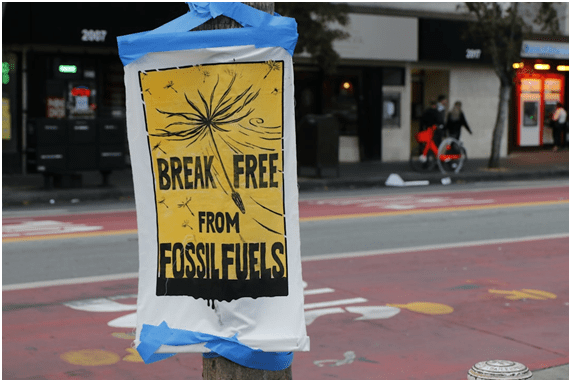
Welcome to the world of sustainability! At its core, sustainability means meeting our own needs without compromising the ability of future generations to meet theirs. It’s all about balance—ensuring that the actions we take today don’t lead to negative consequences down the line. As we face increasing global challenges like climate change, pollution, and resource shortages, understanding and embracing sustainability becomes not just beneficial, but essential. Join us as we explore why sustainability is crucial for our planet’s future and how it can transform virtually every aspect of our lives.
Understanding Sustainability

Definition of Sustainability
Sustainability is a broad discipline, touching areas ranging from environmental conservation to maintaining responsible social and economic practices. In a simple definition, sustainability refers to the ability to meet the needs of the current generation without compromising the ability of future generations to meet their needs. This concept is grounded in an understanding that resources are finite and should be used conservatively and wisely to ensure long-term stability and health of our planet.
Key Principles of Sustainability
The key principles of sustainability revolve around three core areas, often referred to as the “three pillars”: environmental, economic, and social. Here’s how each pillar plays a critical role:
- Environmental Sustainability: This involves reducing the negative impacts on the environment to maintain the quality and longevity of natural resources for future use. Practices like recycling, reforestation, and conservation of energy are central.
- Economic Sustainability: Here, the focus is on supporting economic growth without negatively impacting social, environmental, and cultural aspects of the community. This can involve things like creating sustainable business practices that benefit economies and communities without depleting natural resources.
- Social Sustainability: Involves maintaining standards that allow individuals and communities to develop and flourish. Social sustainability can be promoted by upholding human rights, ensuring access to essential services like healthcare and education, and fostering communities which are inclusive and cohesive.
Importance of Sustainability
Impact on the Environment
Sustainability has a profound impact on the environment. By adopting sustainable practices, such as reducing waste, conserving water, and limiting the use of harmful chemicals, we can mitigate environmental degradation and pollution, preserving the planet’s ecosystems. For example, practices like using less plastic can decrease pollution in our oceans, protecting marine life and supporting biodiversity. Additionally, sustainability encourages the use of alternative energy sources that are less harmful to the environment, like solar and wind power, which significantly reduce carbon footprint and help in preserving the earth’s climate.
Benefits for Future Generations
Adopting sustainable practices doesn’t just affect us today but holds significant implications for future generations. By actively engaging in sustainability:
- Resource Conservation: Ensuring resources like water, minerals, and timber are preserved for future generations.
- Health Benefits: Reducing pollution means cleaner air and water, which dramatically decreases health risks associated with pollutants.
- Economic Stability: By creating industries that don’t harm the environment, we ensure stable job opportunities that our children and their children can rely on.
This intergenerational equity is a cornerstone in the ideology of sustainability, ensuring that our actions today do not inhibit, but rather enable, a quality life for future generations.
Role in Combating Climate Change
The role of sustainability in combating climate change is crucial. Climate change, driven by carbon emissions from human activity, poses severe risks to global stability — from extreme weather patterns disrupting agriculture and water supplies to rising sea levels affecting coastal communities. Implementing sustainable practices helps to slow down the accumulation of greenhouse gases in the atmosphere by encouraging:
- Energy Efficiency: Using less energy or using it more efficiently reduces overall emissions.
- Renewable Energy Adoption: Switching to solar, wind, and other renewable energy sources helps decrease reliance on fossil fuels.
- Sustainable Transportation: Promoting public transport, cycling, walking, and the use of electric vehicles reduce emissions associated with transport.
Through these actions, sustainability not only aids in mitigating the impacts of climate change but also cultivates resilience in communities around the globe, preparing them to handle new environmental realities and challenges.
In conclusion, understanding and implementing sustainability is more than just an environmental obligation; it’s a comprehensive approach that necessitates thoughtful consideration in how we interact with the world today to safeguard it for tomorrow. By embracing sustainability, we uphold our responsibility to both the planet and to future generations, ensuring a healthier, more equitable world for all.
Sustainability Practices

Sustainability practices are strategies and methods that help to reduce our environmental footprint. Implementing these practices ensures we minimize damage to the environment and promote a healthier planet. They can be applied on personal, community, or organizational levels.
Recycling and waste reduction
Recycling and waste reduction are two of the most practical and beneficial practices in sustainability. By recycling materials like paper, plastics, and metals, we help to conserve resources and reduce greenhouse gas emissions. Waste reduction goes a step further by minimizing the amount of waste generated in the first place. This can be achieved through simple actions like:
- Using reusable bags, bottles, and containers.
- Choosing products with minimal packaging.
- Composting organic waste.
Encouraging these habits can significantly impact the amount of landfill waste and ultimately help in conserving the environment.
Energy conservation
Energy conservation is crucial in reducing environmental impact and promoting sustainability. It involves reducing energy consumption through various means, whether at home, in businesses, or in public spaces. Here are key ways to save energy:
- Upgrading to energy-efficient appliances.
- Making use of renewable energy sources, such as solar or wind power.
- Enhancing building insulation to reduce heating and cooling needs.
These steps not only help in protecting the environment but also offer economic benefits, such as lower utility bills and reduced maintenance costs.
Sustainable agriculture
Sustainable agriculture practices support the ability to produce food indefinitely, without causing severe or irreversible damage to ecosystem health. These practices include:
- Using organic farming techniques to enhance soil fertility.
- Implementing crop rotation and permaculture principles.
- Utilizing natural pest management strategies instead of relying on harmful pesticides.
These methods help in maintaining healthy ecosystems and productive farmlands which are essential for food security and ecological balance.
Business and Sustainability
With the increasing awareness of sustainability, businesses are finding it imperative to adopt eco-friendly practices. The integration of sustainability strategies in business operations not only helps in minimizing environmental impact but also boosts reputation and complies with global standards.
Corporate responsibility
Corporate responsibility in terms of sustainability refers to the commitment by businesses to manage the social, environmental, and economic effects of their operations responsibly and in line with public expectations. This involves:
- Investing in community-based projects like greening initiatives and education.
- Establishing policies to reduce carbon emissions and waste within the company.
- Reporting transparently on environmental performance and improvement measures.
By adopting these practices, companies not only enhance their competitive edge but also contribute positively to societal progress and environmental conservation.
Sustainable supply chain management
Sustainable supply chain management involves integrating eco-friendly practices into the full life cycle of product development and distribution. This encompasses sourcing raw materials sustainally, ensuring fair labor practices at the production stages, and using efficient logistics. Steps include:
- Choosing suppliers who adhere to environmental standards.
- Using materials that are recyclable or sustainably sourced.
- Optimizing transportation routes to reduce carbon emissions.
This aspect of sustainability helps businesses in reducing their environmental footprint while also managing their operations more effectively and ethically.
In conclusion, sustainability is a broad and vital area that touches on various aspects of everyday life and business operations. Through the adoption of practices such as recycling, energy conservation, and sustainable agriculture, and by embracing corporate responsibility and sustainable supply chain management, we can ensure a healthier planet for future generations. The journey toward being more eco-friendly and responsible may seem challenging, but the long-term benefits it offers to the environment and to humanity are immense. Together, by making small consistent changes, we can achieve a sustainable future.
Challenges in Achieving Sustainability
Achieving sustainability is not without its challenges. Despite growing awareness and technological advances, several significant obstacles still stand in the way of creating a truly sustainable world. These include overconsumption, a lack of widespread awareness, and various policy and regulatory hurdles.
Overconsumption
One of the biggest challenges is overconsumption, where the rate at which we use resources exceeds the planet’s capacity to regenerate them. This includes everything from water and energy to raw materials used in everyday products. Overconsumption leads to severe consequences like deforestation, loss of biodiversity, and increased greenhouse gas emissions, which contribute to climate change. Efforts to tackle overconsumption involve promoting sustainable consumption practices among individuals and industries. These include:
- Encouraging the use of renewable resources.
- Developing more efficient ways of producing and consuming goods.
- Instituting recycling and upcycling practices.
Lack of Awareness
Despite the urgent need for sustainability, there is still a significant gap in public understanding and commitment to sustainable practices. Many individuals and businesses are not fully aware of the environmental impacts of their actions or how they can change their habits to reduce their ecological footprints. Education and outreach are crucial in this regard, as they can help foster a greater appreciation for the environment and inform people about the simple changes that can make a big difference. Initiatives such as community workshops, educational programs in schools, and widespread media campaigns can help bridge this knowledge gap and spur collective action toward sustainability.
Policy and Regulatory Hurdles
Another substantial challenge in achieving sustainability is the presence of policy and regulatory hurdles. Often, environmental policies are not aligned with sustainable practices, or they lack the enforcement needed to make a significant impact. In some cases, existing laws may even discourage or penalize sustainable actions due to economic interests tied to non-renewable resources. Overcoming these hurdles requires concerted efforts from governments, NGOs, and the global community to revise and strengthen laws that protect the environment. This may involve:
- Implementing stricter emissions regulations.
- Providing incentives for businesses to adopt sustainable practices.
- Ensuring that environmental policies are fair and effectively enforced.
Each of these challenges requires a dedicated approach to overcome, but with persistent effort and global cooperation, progress is possible. As more individuals and sectors join the movement, the path toward sustainability becomes clearer and more attainable.
Understanding sustainability is crucial, not just for the health of our planet, but for the well-being of future generations. It is about creating methods that preserve natural resources and reduce environmental impact, ensuring that the next generation inherits a world of opportunities. Striving for sustainability enriches our understanding of the environment and encourages us to live more harmoniously within it. Every step we take towards eco-friendly practices is a step toward a healthier, more sustainable world. Remember, every action counts in our quest for a sustainable future.